 (Image via
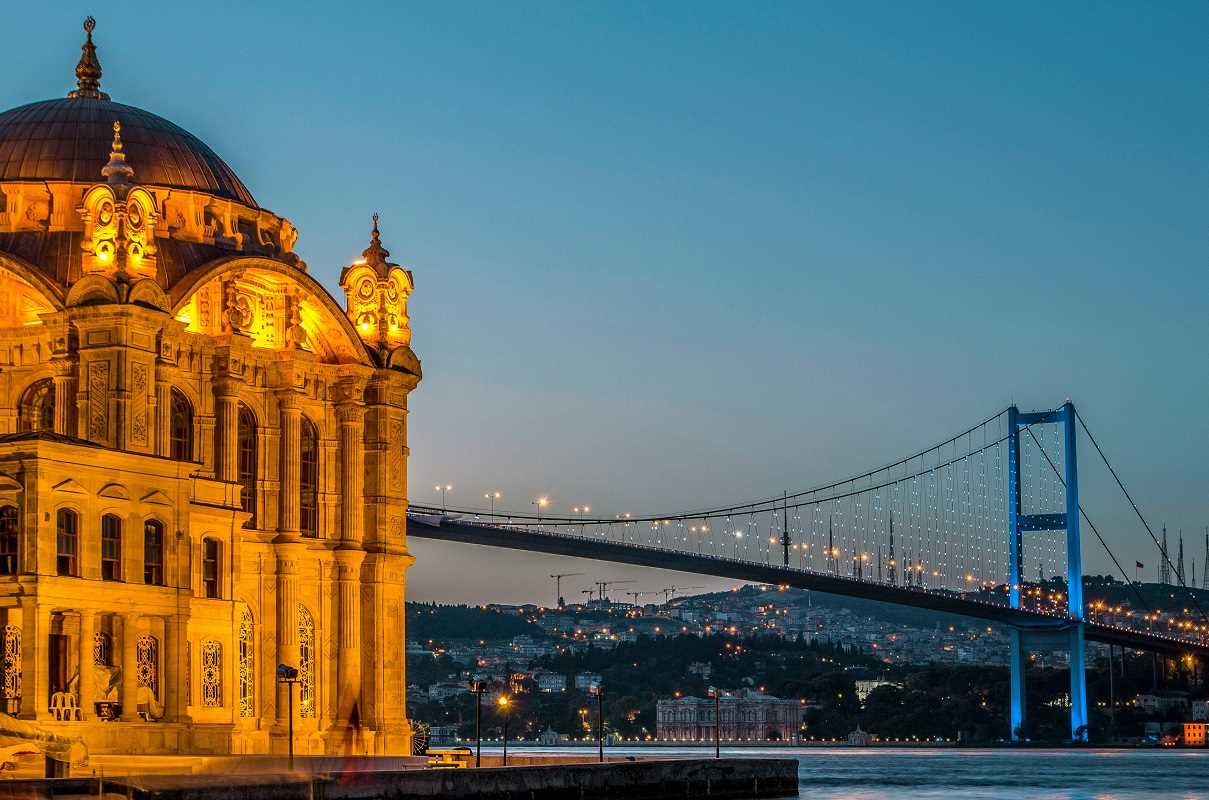
Neon lights flicker across wet pavement, casting vibrant reflections that reveal the pulse of the city after dark. By observing how light bounces off puddles or how silhouettes move past textured brick walls, you can create photographs that convey the unique atmosphere of nighttime urban spaces. Wander through quiet alleyways or stand beneath glowing street lamps to get closer to the heartbeat of the streets. This guide goes beyond standard long exposures and simple flash photography, offering practical tips that help you notice the details and moods that only appear once the sun goes down, giving your nighttime shots a distinct sense of place and energy.
Forget the usual tripod-and-slow-shutter routine. Play with color filters, rethink framing, or introduce unexpected light sources to discover fresh angles on familiar scenes. Ready to improve your nighttime portfolio? Let’s jump to the ideas that turn streetlights into cinematic drama.
Fresh Perspectives on City Lights
- Swap a straight-on cityscape for a reflection in a rain-soaked sidewalk to turn mundane sidewalks into mirror-like canvases that tell two stories in one frame.
- Frame a high-contrast silhouette of a lone cyclist against glowing storefronts to evoke motion and mystery without relying on motion blur alone.
- Angle your lens up beneath a canopy of illuminated signs so you capture abstract shapes and text fragments that tease viewers’ imagination.
Techniques to Try for Better Night Shots
- Use a colored gel over a speedlight to bathe your subject in one bold hue and let the city’s mixed bulbs fade into atmospheric bokeh.
- Hold a small prism just in front of your lens to split streetlights into starbursts and spectrum flares without needing a fancy filter kit.
- Run a long exposure while dragging a handheld LED strip through the frame to paint vibrant light trails that curve around urban structures.
Seven Ways to Capture Night in Different Ways
- Rooftop Neon Swirl (Location: Elevated urban vantage) Unique feature: capturing circular light patterns around rooftop obstructions Cost: free with rooftop access Insider tip: lock focus on a bright neon sign first, then slowly turn your zoom ring during a 2–3 second exposure to spin background lights while keeping the sign sharp.
- Glass Corridor Echo (Category: reflective architecture) Unique feature: multiple layered reflections of passing cars Cost: zero beyond lens choice Insider tip: angle the camera at 30 degrees to the glass panels to avoid dead-center ghosting and amplify streaking headlights.
- Prism Rainbow Track (Category: hand-held optical effects) Unique feature: spontaneous rainbow bursts around street lamps Cost: under $20 for a quality camera prism Insider tip: hold the prism off-axis near the viewfinder edge, then pivot it until a sunburst hits your sensor at just the right angle.
- Sidewalk Mirror Zoom (Location: wet pavement) Unique feature: dual-level composition creating an inverted world Cost: none beyond rainy night Insider tip: kneel low, set a 1.4 aperture, and focus where water depth is shallowest for clearer inverted detail.
- LED Light Wand Graffiti (Category: long-exposure painting) Unique feature: custom color patterns drawn mid-frame Cost: $30–$60 for a programmable LED wand Insider tip: map out your swirl or lettering on the ground first, then practice the motion on a dark canvas to perfect speed and curvature.
- Shadow Frame Overlay (Category: silhouette framing) Unique feature: crisp shadows of pedestrians cast across textured walls Cost: zero with available street lights Insider tip: time your shot for moments when a single lamp isolates your subject’s shadow, then step back until the silhouette covers an interesting surface pattern.
- Suspended Light Droplet (Category: macro night photography) Unique feature: capturing bulb-like water droplets hanging from cables Cost: minimal macro lens or extension tubes Insider tip: spray a fine mist over overhead cables with a spray bottle, then switch to manual focus so the droplet itself becomes the star against a blurred urban background.
Adding Motion and Mood to Neon Scenes
Bring motion into neon-lit streets turns a static scene into something cinematic. Use slower shutter speeds around 1/8 to 1/4 second, but secure foreground subjects with either a flash or a tethered LED panel. The contrast between frozen objects and swirling lights feels electric.
Try adding subtle camera movement yourself.
Gear and Settings You Should Know
- Use a camera body with good high-ISO performance: set ISO between 800–1600, aperture around f/1.8–2.8, and shutter speed from 1/10 to 1/2 second to balance clarity and motion in mixed lighting.
- Choose a fast prime lens (35mm or 50mm): open wide to isolate neon highlights and push background bulbs into creamy bokeh, especially for reflection techniques and selective focus.
- Pick a compact tripod or tabletop mini-pod: select a lightweight model so you can quickly switch between ground-level puddle shots and rooftop setups without missing the best night moments.
- Carry a handheld LED wand or lightstick: program it to cycle through custom colors, then draw curves or shapes during exposure to add graffiti-like accents to urban scenes.
- Try a small prism or kaleidoscope filter: experiment with starburst and spectrum effects around a single lamp; hold it close to the lens edge for maximum visual distortion.
Your creativity shapes night city photography more than your equipment. Explore angles, reflections, and light painting to capture the city’s unique moments after dark.