 (Image via
Watercolor painting opens up a world of creative potential, especially when you go beyond the fundamentals. Soft washes and dynamic textures can breathe life into even the most ordinary landscapes, transforming skies into radiant horizons that draw the eye. This guide introduces five advanced watercolor techniques designed to help you produce vivid, glowing scenes. Each approach expands on your current skills, inviting you to experiment with new ways to capture natural light and realistic atmosphere in your work. As you try these methods, you’ll discover how subtle layering and expressive brushwork can elevate your landscapes to a new level.
You’ll discover how controlling water, lifting paint, and masking preserves brightness where you need it. You’ll learn to layer transparent glazes, add textured details, and carve out highlights without overworking the paper. Grab your brush and paper—let’s unlock a new level of watercolor magic in your landscape paintings.
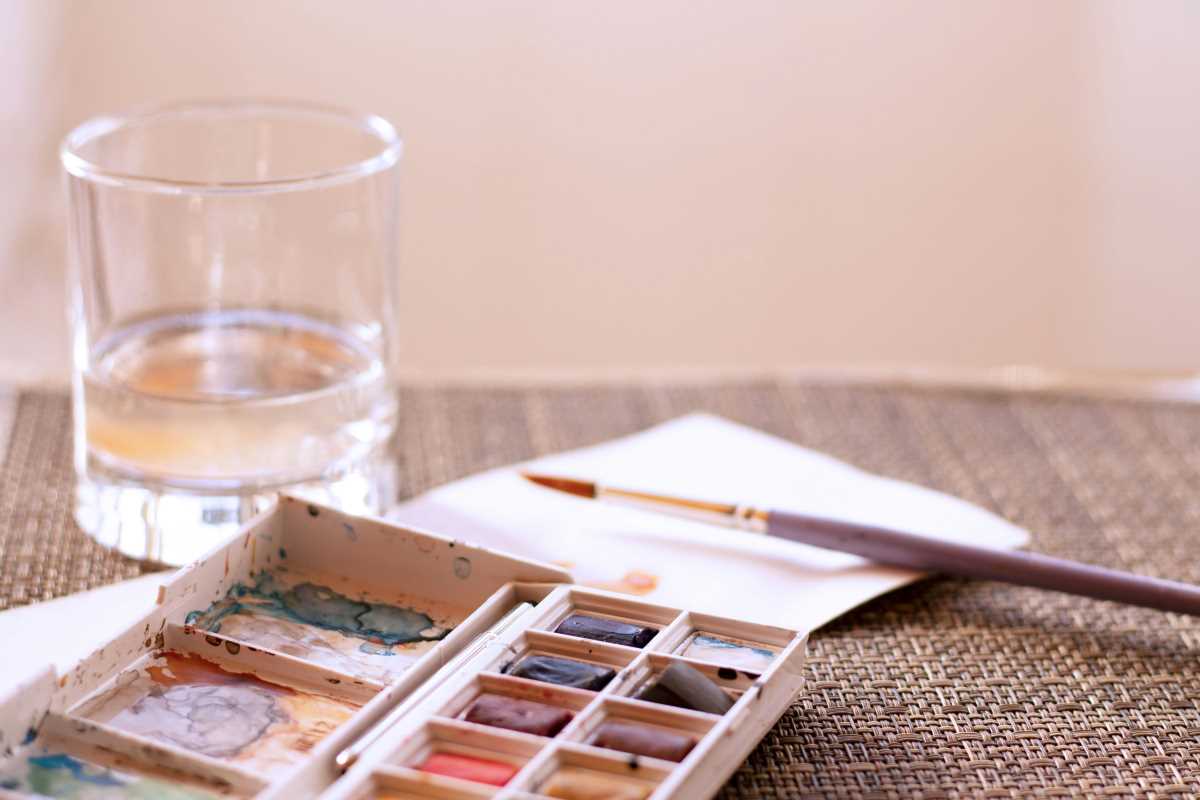
Essential Materials and Preparation
- High-quality watercolor paper (preferably cold-pressed, at least 300 gsm).
- A range of brushes: flat washes (1"), round detail brushes (size 4–6), and a stiff hog hair brush for textures.
- Transparent pigments like quinacridone gold, cerulean blue, and a neutral tint.
- Masking fluid and a fine-tipped applicator or old brush.
- Clean water containers and paper towels for blotting or lifting.
- Palette with mixing wells—keep it simple to avoid muddy colors.
Organize your workspace so you can reach water, brushes, and paper towels without disturbing your wet washes. Stretch your paper ahead of time to prevent warping. Tear the edges if you like a rough border that shows paint soaking into texture.
Wet-on-Wet Glazing
Applying thin layers of transparent color over still-wet paint involves wet-on-wet glazing. Pre-wet the paper in the area where you want your sky or water. Tilt the board slightly to encourage flow. Drop in your lightest color first, such as a pale wash of cerulean blue. Let it settle without touching it.
Once the first wash loosens, add a deeper hue—quinacridone gold along the horizon, for example. The pigments merge softly, creating a glow that feels natural. Give each layer time to settle but avoid letting it dry completely; working within that damp window keeps edges soft. You’ll notice how the colors dance instead of stacking stiffly.
Dry Brush and Texture Effects
Dry brush creates rough, broken strokes that mimic grass, rock surfaces, or distant foliage. Drain most water from your brush before picking up pigment. Lightly drag the bristles across textured paper. Short, jagged marks convey rocky terrain, while longer, feathery strokes suggest grassy fields.
Mix a granular pigment, such as Daniel Smith’s ladoga black, with minimal water for strong texture. Work in layers: first, cover large shapes with a light tone, then add darker accents with a dry brush to carve shadows and highlights. This contrast builds depth in foreground elements and keeps viewers’ attention.
Lifting and Masking Fluid
Using masking fluid preserves bright areas by blocking paint. Use an old brush or a fine-tipped applicator to lay down fluid over spots meant to stay white—like sunlit ripples on water or tiny blossoms in a meadow. Let the fluid dry completely before painting over it.
After you finish your washes and textures, gently peel off the masking fluid. You’ll reveal crisp whites that seem to glow against surrounding color. If you need to lift paint manually, blot or scrub damp areas with a clean, damp brush or paper towel. Lifting adds clouds or mist by pulling color out selectively, creating soft shapes that look airy.
Tips for Color Mixing and Creating Atmosphere
- Limit your palette to three to five colors. Mixing fewer pigments helps you maintain harmony and avoid muddiness.
- Test mixes on scrap paper. Keep track of ratios by jotting notes so you can replicate successful blends.
- Use warm glazes (like red-orange) over cooler underlayers (like ultramarine). The warmth peeking through brightens shadows.
- Work from light to dark, not the other way around. Transparent layers build luminosity, while dark strokes anchor your composition.
- Introduce negative painting: paint around shapes to define highlights and give a sense of light bouncing off surfaces.
- Adjust water content to create softer or sharper edges. More water results in softer blends; less water produces crisper lines.
By mixing carefully and observing how wet layers interact, you can craft atmospheres that feel moody, sunny, or misty on demand. Notice how a tiny drop of a contrasting color can spark interest in an otherwise flat area.
These five techniques—glazing, dry brush, masking, lifting, and careful color mixing—equip you with tools to create landscapes that practically glow. Practice each method separately, then combine them in a single painting to see how they reinforce one another. Over time, you’ll become more confident in manipulating water and pigment to capture light in every scene.
Continue practicing these techniques to make your watercolor landscapes more vibrant with depth, texture, and luminous color.